Blog posts
New jazz, old jazz
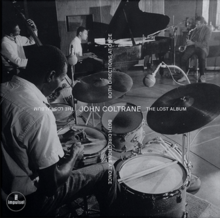
In recent weeks I have bought a couple of really interesting albums. The first, John Coltrane’s “Both Directions at Once” is a ‘lost’ album from
In recent weeks I have bought a couple of really interesting albums. The first, John Coltrane’s “Both Directions at Once” is a ‘lost’ album from
If I said to you that a performance comprising a string quartet plus a folk band with two sisters singing and clog dancing brought the
It’s been a while since I posted a quick summary of the music I am listening to. If you have been reading my blog for

I mentioned in an earlier post about Speed Reading that I am trying to increase the speed at which I read and be much more

Subtitled, ‘Manafon Variations‘, this album takes tracks from David Sylvian’s last album and combines them with new ones. The songs are restructured from the voice

I spend a lot of time travelling by car. It’s not unusual for me to spend up to 20 hours a week in the car.

There’s this idea which I subscribe to that if we spend too much time looking at the TV, it saps our imagination. All the work

Back in the mid-70s when I was at school, a friend of mine (hi, Peter) gave me a tape which had on it an album
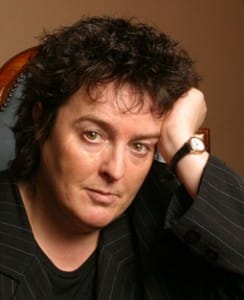
Do you ever buy tickets for something, think it’s a good idea at the time, then have serious second thoughts as the date looms? I saw
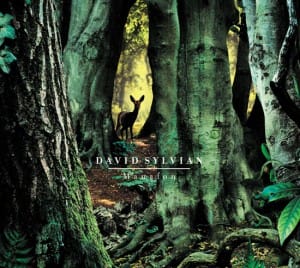
Regular readers of my blog over the last few years will know that I love the music of David Sylvian and have been a big